
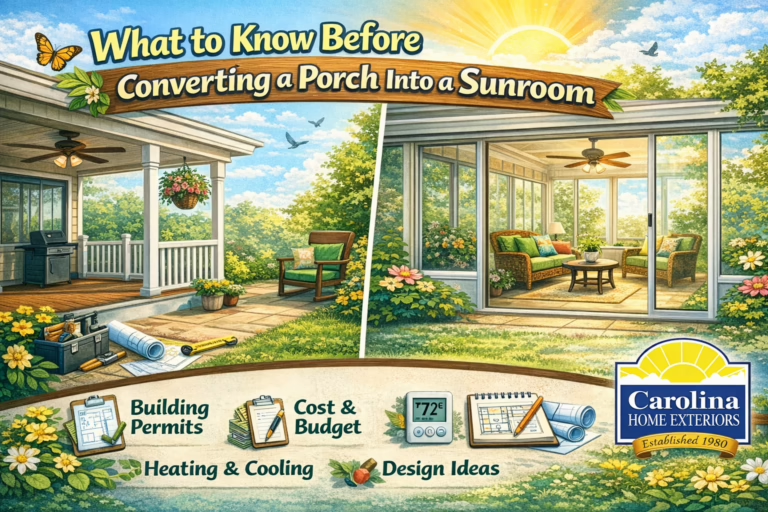
Converting an existing porch into a sunroom is an exciting way to expand your living space while enjoying the beauty of the outdoors year-round. A sunroom can provide a bright, comfortable area for relaxing, entertaining, or even working from home, all while increasing your home’s value. However, before starting this type of renovation, there are several important factors to consider to ensure the project meets your expectations, budget, and long-term needs.
Understanding the Purpose of Your Sunroom
Before planning any structural changes, it’s essential to define how you intend to use your sunroom. Some homeowners envision a casual sitting area, while others want a four-season room that functions like an extension of the main living space. Your intended use will influence design choices such as insulation, heating and cooling options, window types, and flooring. Clarifying your goals early helps guide decisions and prevents costly changes later in the project.
Evaluating the Existing Porch Structure
Not all porches are built to support conversion into a sunroom. The foundation, framing, roof, and overall condition of the existing structure must be assessed to determine whether it can handle the added weight of windows, doors, and insulation. In some cases, structural reinforcements or a new foundation may be required. A professional inspection ensures the porch is safe and suitable for conversion and helps identify potential issues before construction begins.
Local Building Codes and Permits
Converting a porch into a sunroom typically requires permits and compliance with local building codes. These regulations may cover structural requirements, electrical work, energy efficiency standards, and zoning restrictions. Some homeowners associations also have guidelines regarding exterior changes. Researching and securing the proper approvals before construction begins is crucial to avoid fines, delays, or the need to undo completed work.
Choosing Between a Three-Season or Four-Season Sunroom
One of the most important decisions is whether to create a three-season or four-season sunroom. A three-season sunroom is designed for use during spring, summer, and fall and usually lacks full insulation and HVAC connections. A four-season sunroom is insulated and climate-controlled, allowing for year-round comfort. The choice affects construction costs, materials, and long-term usability, so it’s important to align this decision with your lifestyle and climate.
Selecting the Right Windows and Doors
Windows and doors play a major role in the comfort, efficiency, and appearance of a sunroom. High-quality windows with energy-efficient glass help regulate temperature, reduce glare, and block harmful UV rays. Operable windows can improve ventilation, while sliding or French doors provide easy access to the outdoors. Choosing durable materials and designs that complement your home’s style ensures your sunroom looks cohesive and performs well over time.
Heating, Cooling, and Ventilation Considerations
Proper temperature control is essential for making a sunroom comfortable. Depending on your design, you may need to extend your home’s HVAC system, install a ductless mini-split, or use space heaters and ceiling fans. Ventilation is equally important to prevent excess heat buildup and moisture issues. Planning for heating, cooling, and airflow during the design phase helps avoid discomfort and energy inefficiency after the project is complete.
Flooring Options for Durability and Comfort
The flooring you choose for your sunroom should be both durable and suitable for temperature fluctuations and sunlight exposure. Materials such as tile, luxury vinyl, and sealed concrete are popular choices because they resist moisture and fading. If you prefer a warmer feel, engineered wood or indoor-outdoor carpeting may be options, depending on insulation and climate control. Selecting the right flooring enhances comfort while ensuring long-lasting performance.
Lighting and Electrical Needs
While sunrooms benefit from abundant natural light, additional lighting is often needed for evening use. Recessed lighting, ceiling fans with lights, or wall-mounted fixtures can create a comfortable ambiance after sunset. Electrical outlets may also be necessary for lamps, electronics, or heating devices. Planning electrical needs in advance ensures your sunroom is functional and adaptable for various activities.
Budgeting for the Project
Converting a porch into a sunroom can vary widely in cost depending on size, materials, and whether the room is designed for seasonal or year-round use. Beyond construction expenses, homeowners should budget for permits, design fees, electrical work, and potential structural upgrades. Setting a realistic budget and including a contingency for unexpected costs helps keep the project on track and reduces financial stress.
Impact on Home Value and Lifestyle
A well-designed sunroom can increase your home’s value and appeal, especially when it integrates seamlessly with the existing structure. It also enhances your daily lifestyle by providing a versatile space that brings in natural light and connects you to the outdoors. Considering how the sunroom will fit into your long-term plans ensures the investment aligns with both personal enjoyment and potential resale benefits.
Final Thoughts Before You Begin
Converting a porch into a sunroom is a rewarding project that can transform how you experience your home. By carefully considering structure, permits, design options, and long-term use, you can create a space that is comfortable, functional, and visually appealing. Taking the time to plan and consult with professionals helps ensure your sunroom meets your expectations and provides lasting enjoyment for years to come.