
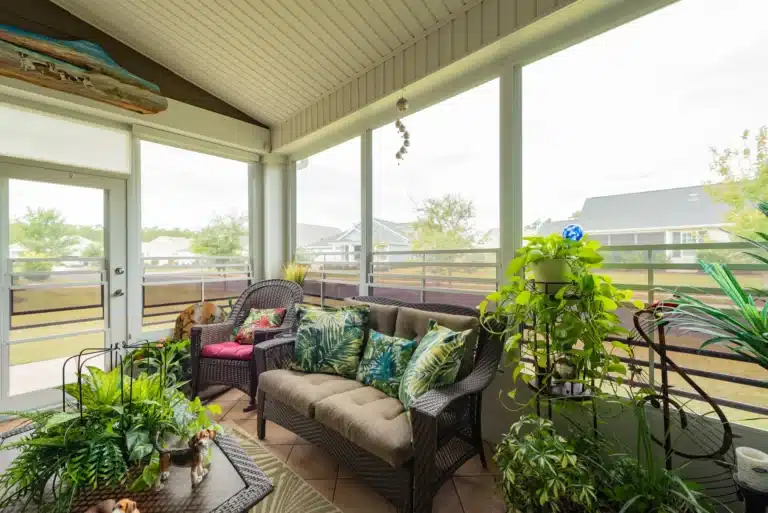
Adding a sunroom is an excellent way to expand your home’s living space while enjoying beautiful outdoor views from the comfort of indoors. However, before starting your project, it’s important to understand the differences between a four-season and a three-season sunroom. While both options provide additional space and natural light, they are designed for different levels of comfort, usage, and budget. Knowing what each type offers will help you choose the sunroom that best complements your lifestyle and long-term goals.
Understanding Three-Season Sunrooms
A three-season sunroom is designed for use during the spring, summer, and fall when outdoor temperatures are generally comfortable. These rooms typically feature large windows and screens that allow fresh air to circulate while keeping insects outside. Because they are not fully insulated or connected to your home’s heating and cooling system, they may become too cold during winter months. For homeowners who primarily want a relaxing place to enjoy pleasant weather, a three-season sunroom is often an excellent choice.
What Makes a Four-Season Sunroom Different?
A four-season sunroom is built for year-round comfort. Unlike a three-season room, it includes insulated walls, energy-efficient windows, and construction materials that help regulate indoor temperatures throughout every season. Many four-season sunrooms are connected to the home’s HVAC system or include independent heating and cooling solutions. This allows the space to remain comfortable whether it’s the hottest day of summer or the coldest day of winter.
Comparing Construction Features
The construction methods used for each type of sunroom play a significant role in their performance. Three-season sunrooms generally use lighter framing materials and single-pane or less insulated windows designed for moderate weather conditions. Four-season sunrooms feature stronger insulation, high-performance glass, insulated roofing systems, and weather-resistant construction that helps maintain consistent indoor comfort throughout the year. These differences contribute to both durability and energy efficiency.
Considering Your Budget
Budget is one of the biggest factors when deciding between the two options. Three-season sunrooms are typically more affordable because they require fewer insulation materials and less complex construction. Four-season sunrooms generally involve a larger investment due to upgraded materials, insulation, heating and cooling considerations, and additional labor. While the initial cost may be higher, many homeowners appreciate the ability to enjoy the space every month of the year.
How You Plan to Use the Space
Your intended use should heavily influence your decision. If you simply want a place to relax with a morning cup of coffee, read a book, or entertain guests during warmer months, a three-season sunroom may meet your needs perfectly. However, if you envision using the room as a home office, family room, fitness space, dining area, or hobby room throughout the entire year, a four-season sunroom offers the flexibility and comfort required for everyday living.
Energy Efficiency Considerations
Modern four-season sunrooms are designed with energy efficiency in mind. Double- or triple-pane windows, insulated frames, and high-quality roofing materials help reduce heat transfer while maintaining indoor comfort. Although three-season sunrooms provide excellent ventilation during warmer weather, they generally lack the insulation necessary for efficient year-round climate control. Choosing the right option depends on how important energy performance is for your household.
Climate Plays an Important Role
Where you live can significantly affect which sunroom is the better fit. In regions with mild winters and moderate seasonal changes, a three-season sunroom may provide plenty of use throughout most of the year. In areas that experience freezing temperatures, snow, or extreme weather, a four-season sunroom offers greater comfort and usability. Local climate conditions should always be considered before making your final decision.
Maintenance Requirements
Both three-season and four-season sunrooms require relatively little maintenance when built with quality materials. Routine window cleaning, occasional inspections, and keeping gutters clear help maintain their appearance and functionality. Four-season sunrooms may require periodic servicing of heating and cooling equipment if they have dedicated climate control systems, while three-season rooms often have fewer mechanical components to maintain.
Property Value and Long-Term Benefits
A professionally installed sunroom can enhance your home’s overall appeal and increase its market value. Four-season sunrooms often provide greater long-term value because they function as true living space throughout the year. Buyers frequently appreciate the versatility of a room that can serve multiple purposes regardless of the season. Three-season sunrooms also add curb appeal and usable space, making them attractive features for many prospective homeowners.
Choosing the Best Option for Your Lifestyle
There is no universal answer when deciding between a four-season and a three-season sunroom. The best choice depends on your budget, local climate, and how you expect to use the space. If your goal is to enjoy fresh air and outdoor views during mild weather while keeping costs lower, a three-season sunroom may be the ideal solution. If you want an extension of your home that offers comfort every day of the year, a four-season sunroom is likely the better investment. By carefully considering your priorities and consulting with an experienced sunroom contractor, you can create a beautiful, functional addition that enhances your home and supports your lifestyle for many years to come.